


You are moving life-saving heart and stroke research forward
June 8, 2026
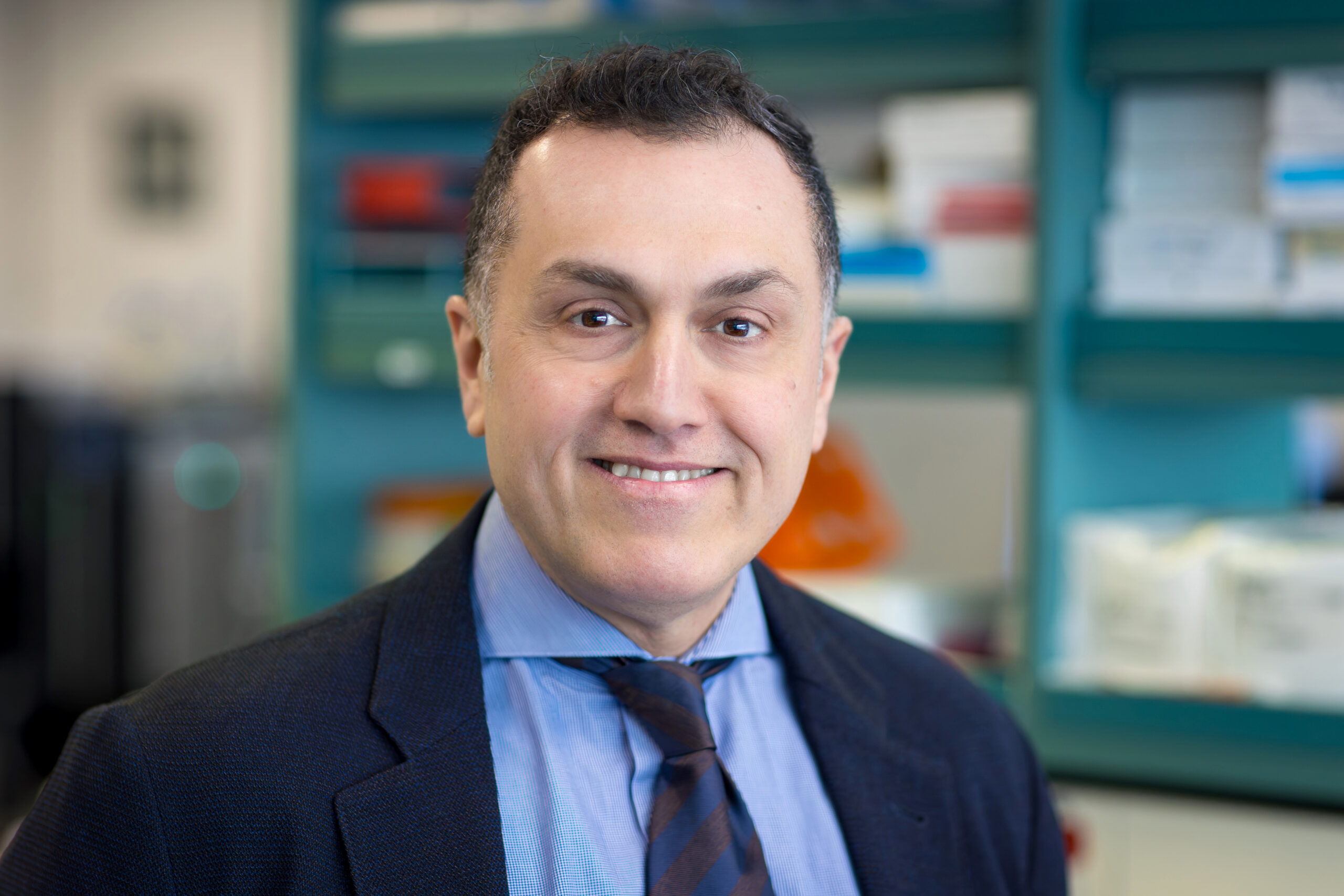
For Dr. Amir Ravandi, patients are at the heart of his research.
Every day, Dr. Ravandi, an interventional cardiologist, treats heart attack patients with urgent angioplasty and stents. He is also a clinician-scientist at St. Boniface Hospital and principal investigator at St. B’s Institute of Cardiovascular Sciences, where he leads research aimed at improving recovery and long-term outcomes after a heart attack.
“The questions we ask in my research come directly from the patients I treat every day,” said Dr. Ravandi. “Their problems are very real and very immediate, and we want our work to make a difference in their lives.”
With support from donors, including the 2024 Ronald Duhamel Innovation Award, Dr. Ravandi and his team are advancing research that could lead to better outcomes for patients after a heart attack.
“None of this would be possible without donors.”
One major focus of his work is improving recovery after a heart attack, since the heart muscle can still be injured for up to 48 hours.
Dr. Ravandi’s team is studying an antibody that may help protect the heart muscle, improve recovery, and enhance long-term quality of life. The treatment is now in early clinical studies.
Understanding SCAD in women
Women often experience heart disease differently than men, including a condition called spontaneous coronary artery dissection (SCAD), a poorly understood condition that occurs far more often in women. SCAD is a tear in a heart artery that can cause a heart attack.
“There’s very little research on this,” explained Dr. Ravandi. “Understanding these differences is essential to better care for women.”
Dr. Ravandi’s team is studying blood samples from SCAD patients to explain why this condition happens in women. By comparing women who have had SCAD with those who haven’t, his team hopes to uncover blood patterns that could lead to earlier diagnosis. The hope is that a clear blood signature will help explain why SCAD occurs, allow doctors to recognize it faster in the Emergency Department, and lead to future treatment options.
Advancing faster stroke diagnosis
Unlike heart attacks, there is no quick blood test to confirm if someone is having a stroke. “Every minute affects the brain in these moments,” Dr. Ravandi said. “If we can diagnose a stroke faster, we can treat it faster and give patients better outcomes.”