



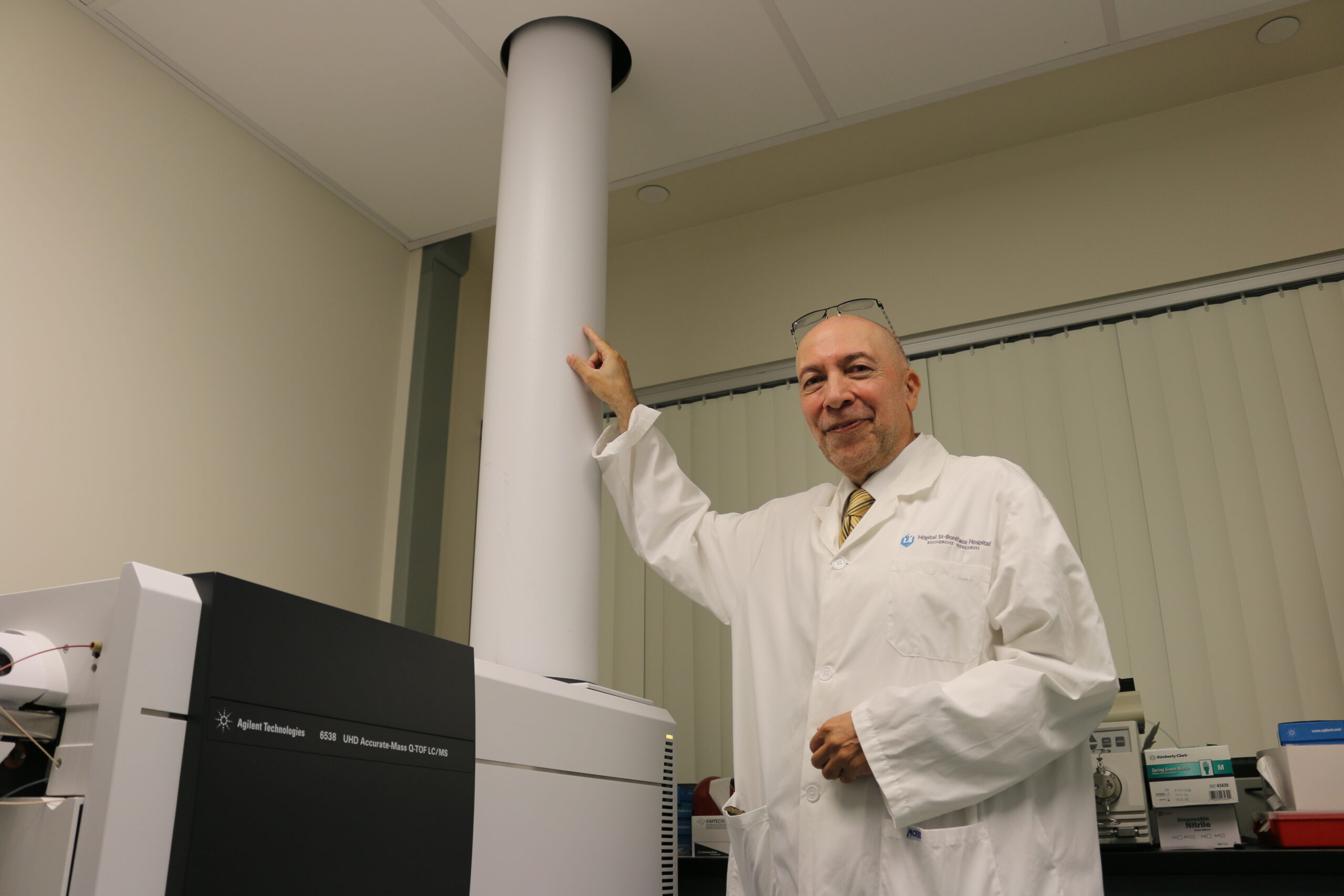
Breakthrough technology helps St. B researchers better understand how food affects health.
February 13, 2026
For St. Boniface Hospital researcher Dr. Michel Aliani, the journey to better health begins with a simple question: how can the food we eat help prevent disease? A new highly specialized instrument at St. B will help Dr. Aliani answer it.
The Thermo Scientific™ Orbitrap IQ‑X™ Tribrid™ mass spectrometer is a breakthrough machine now in Dr. Aliani’s lab. One of only a few in Western Canada, the instrument identifies and analyzes even the tiniest molecules. It produces incredibly rich, precise data quickly, which previous tools couldn’t do.
Dr. Aliani is Principal Investigator with Division of Neurodegenerative and Neurodevelopmental Disorders (DNND) at the Hospital’s Albrechtsen Research Centre. One of his research areas focuses on creating the scientific foundation needed to develop and market functional foods that benefit health.
As metabolic conditions like diabetes, obesity, and liver disease become more common in Canada, learning how food influences our health is increasingly important. That work centers around active compounds, the tiny natural chemicals in foods that quietly impact how the body functions. Understanding what they do at a molecular level is extremely complex.
Thanks to support from donors like you, studying these tiny molecules is becoming more possible than ever.
“I hope donors know how much they are helping us.”
Knowing how foods actually work in the body means looking beyond single molecules and studying how they interact together. Before now, researchers like Dr. Aliani could only study a small number of molecules at a time. With this new instrument, that changes — It’s like going from a blurry photo to a high-definition image.
“The machine facilitates something that I used to need two or three weeks to identify one compound. Now I can do it in two hours, and I have more confidence in the identification,” said Dr. Aliani.
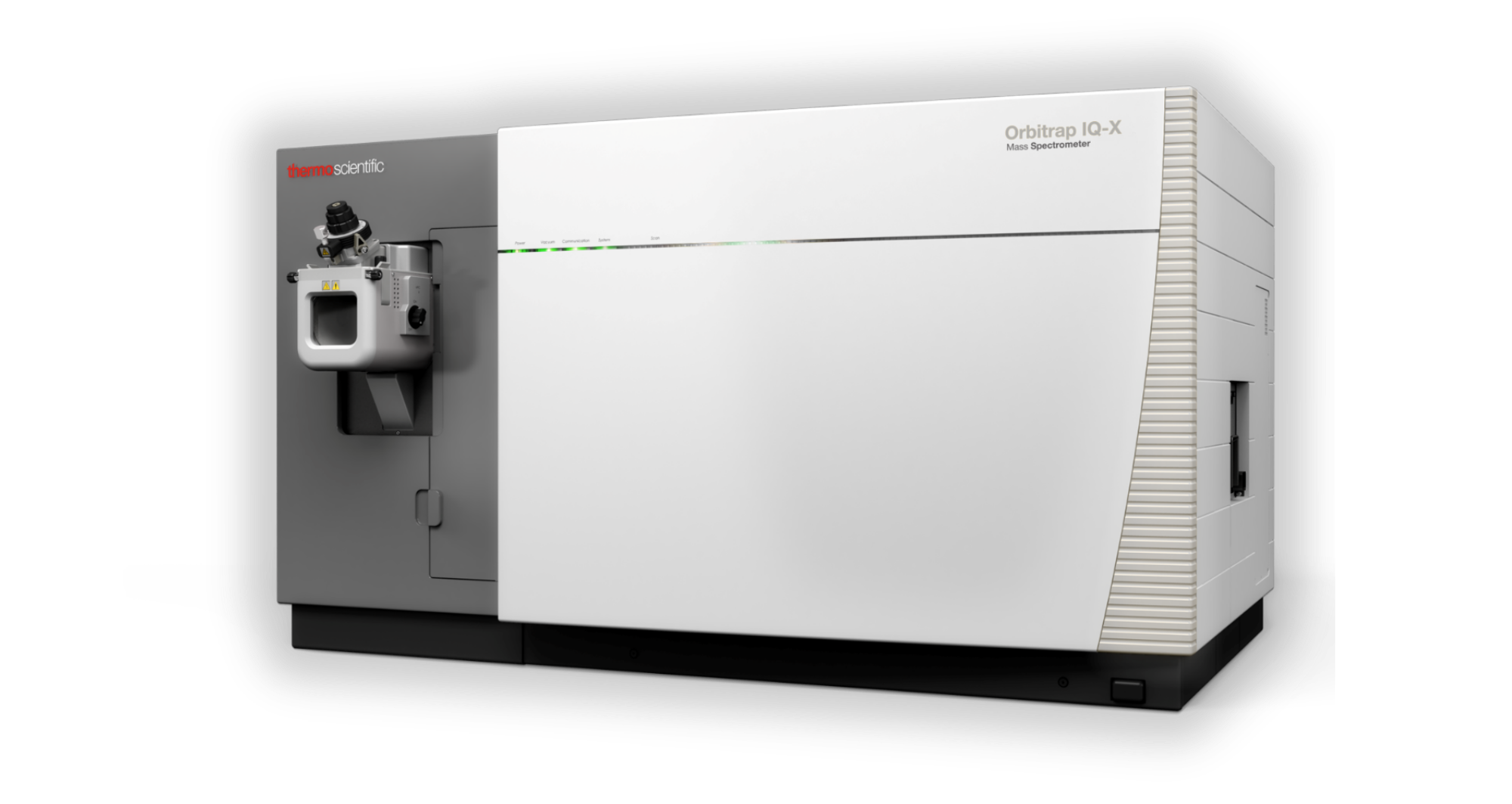
The mass spectrometer isn’t only for research in nutritional sciences. It can be used to identify and measure various molecules for different areas of study. Dr. Aliani plans to collaborate with other researchers and use the instrument on their behalf. By sharing this specialized tool, more teams can deepen their understanding of how different molecules behave in the body and advance their research more efficiently.
“I collaborate a lot with people inside and outside of this building. Different types of collaboration help a lot, because whether it’s medical research, plant science, or nutritional science, the instrument can do it all,” said Dr. Aliani.
“The good thing about this system is that it’s not biased. It doesn’t matter to the machine what you put into it.”
The mass spectrometer will allow Dr. Aliani to learn which foods better support health and chronic disease prevention. It will help Canadian companies create trusted functional food products backed by science, and one day help people make food choices that can protect their health.
“Besides how thankful I am, I’d say also every scientist here — and we have a lot of them in this building — are too,” said Dr. Aliani. “We have many good instruments, but technology moves ahead every day, and donors make it possible for us to access the most advanced tools available.”